
If you’re articling in Ontario, the LSO call to the bar is the finish line: the point where the Law Society of Ontario formally licenses you to practice law. Getting there means going through a process the LSO runs directly. It happens in stages: an application, a set of licensing requirements, and then the call itself, either at a ceremony or through an administrative process. This guide walks through how those pieces fit together, in general terms, so you know roughly what’s coming and where to check for the exact current details.
One thing up front. Dates, fees, and specific eligibility rules change, and the Law Society of Ontario is the only place that can confirm them for the year you’re licensing in. Read this as orientation, not a substitute for checking directly with the LSO.
The LSO licensing process, in plain terms
The path to being called to the bar in Ontario generally runs through a few stages, in this order:
- You register as a licensing candidate with the Law Society of Ontario.
- You meet the licensing requirements the LSO sets, which typically include licensing examinations and practical experience such as articling or an equivalent program.
- The LSO confirms you’ve met those requirements and grants you a licence.
- You’re called to the bar, the formal point where you become a licensed member entitled to practice.
That’s the shape of it at a high level. The details inside each stage change over time: which exams, how many months of practical experience, what documentation is required. The LSO sets and updates all of it, so it’s the only place that can tell you exactly what applies to your situation. Their lawyer licensing process pages are the direct source. Worth reading before you assume anything about your own timeline.
Administrative call vs. ceremonial call
Once you’ve met the LSO’s requirements and been granted a licence, the actual call to the bar happens one of two ways.
The ceremonial call is a formal, in-person ceremony. Candidates are called up individually and sign the official Roll in front of a presiding judge or bencher. It’s probably the image most people have in mind when they picture being called to the bar.
The administrative call skips that. It’s a non-ceremonial process for candidates who complete their requirements outside the standard ceremony windows, or who choose not to attend in person. It still carries the same licensed standing: you’re a full member of the LSO either way, you just don’t get the sit-down proceedings.
Which one applies to you comes down to timing and preference, and the LSO confirms which option you’re eligible for. Want the specifics of what the ceremonial version looks like in Ontario, venue, format, what actually happens on the day? Our Ontario call-to-bar ceremony and dates guide covers that side.
When are LSO call-to-bar dates confirmed?
We’re not going to guess at this year’s dates, or last year’s, or next year’s. A wrong date on a page like this could send someone to the wrong place on the wrong day, and that’s not worth the risk for a blog post. The LSO confirms call-to-bar timing directly with licensing candidates and publishes it on its own site once it’s locked in. That’s true whether you’re searching for this year’s dates, next year’s, or looking back at a past year: the current-year page is always the one that matters, not an old post (including this one) that hasn’t been updated since.
If you’re trying to plan around a specific year, lso.ca is where that actually gets confirmed, along with the notice the LSO sends candidates directly. Our ceremony and dates guide tracks the ceremony side of this as it gets updated too.
What to wear once you’re called
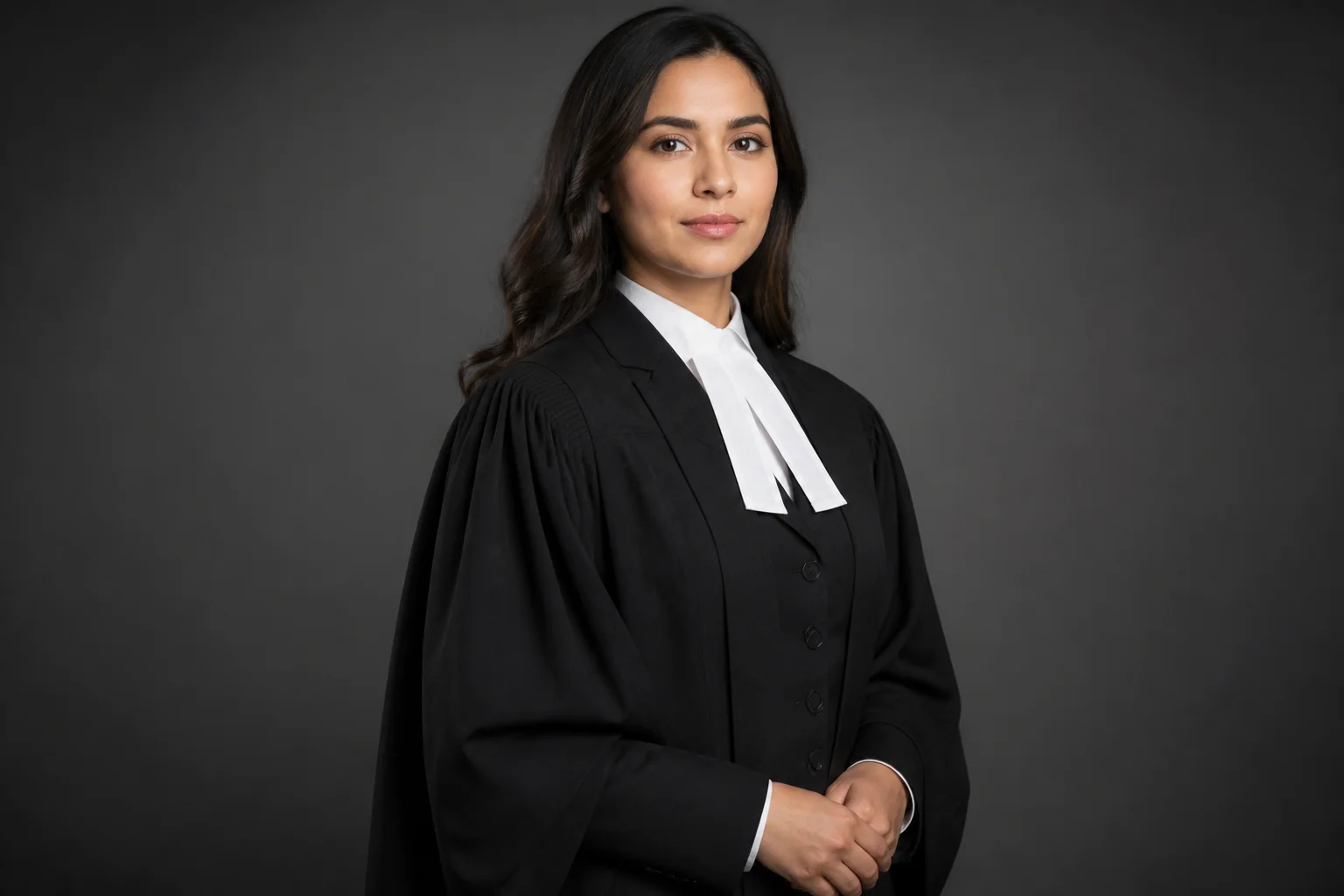
Whether you go through the ceremonial or administrative call, being licensed eventually means dressing the part in court: a black barrister’s robe, waistcoat, wing-collar shirt, and white tabs. If you’re pulling your outfit together ahead of your call date, our call-to-bar package bundles the robe, waistcoat, tabs, and shirt as a set. That’s one less thing to source separately on top of exams and paperwork. Order with a few weeks of buffer for sizing, since your call date is set by the LSO, not you.
FAQ
What is required to be called to the bar in Ontario?
In general, you register as a licensing candidate with the Law Society of Ontario. You meet the licensing requirements it sets, typically exams and practical experience such as articling, and the LSO grants you a licence before you’re called to the bar. The exact current requirements are set by the LSO; check lso.ca for what applies to you.
What’s the difference between an administrative call and a ceremonial call to the bar?
Both give you the same licensed standing. The ceremonial call is a formal, in-person proceeding where you sign the Roll in front of a judge or bencher. The administrative call skips that ceremony for candidates who complete requirements outside the ceremony schedule or opt not to attend in person.
Do I have to article to be called to the bar in Ontario?
Practical experience, commonly articling or an equivalent licensing program, is generally part of the LSO’s requirements, but the specifics and any alternatives are set by the Law Society. Confirm current requirements directly with the LSO rather than relying on a general summary like this one.
Where can I find this year’s LSO call-to-bar dates?
Directly from the Law Society of Ontario, either on its call-to-bar pages or in the notice it sends licensing candidates once dates are confirmed for the year. Our Ontario ceremony and dates guide also tracks the ceremony details as they’re published.
What do I wear to my call to the bar?
Full barrister attire: a black robe over a waistcoat and wing-collar shirt, with white tabs at the collar. Our call-to-bar package bundles all four pieces together if you’d rather not source them individually.